
.svg)
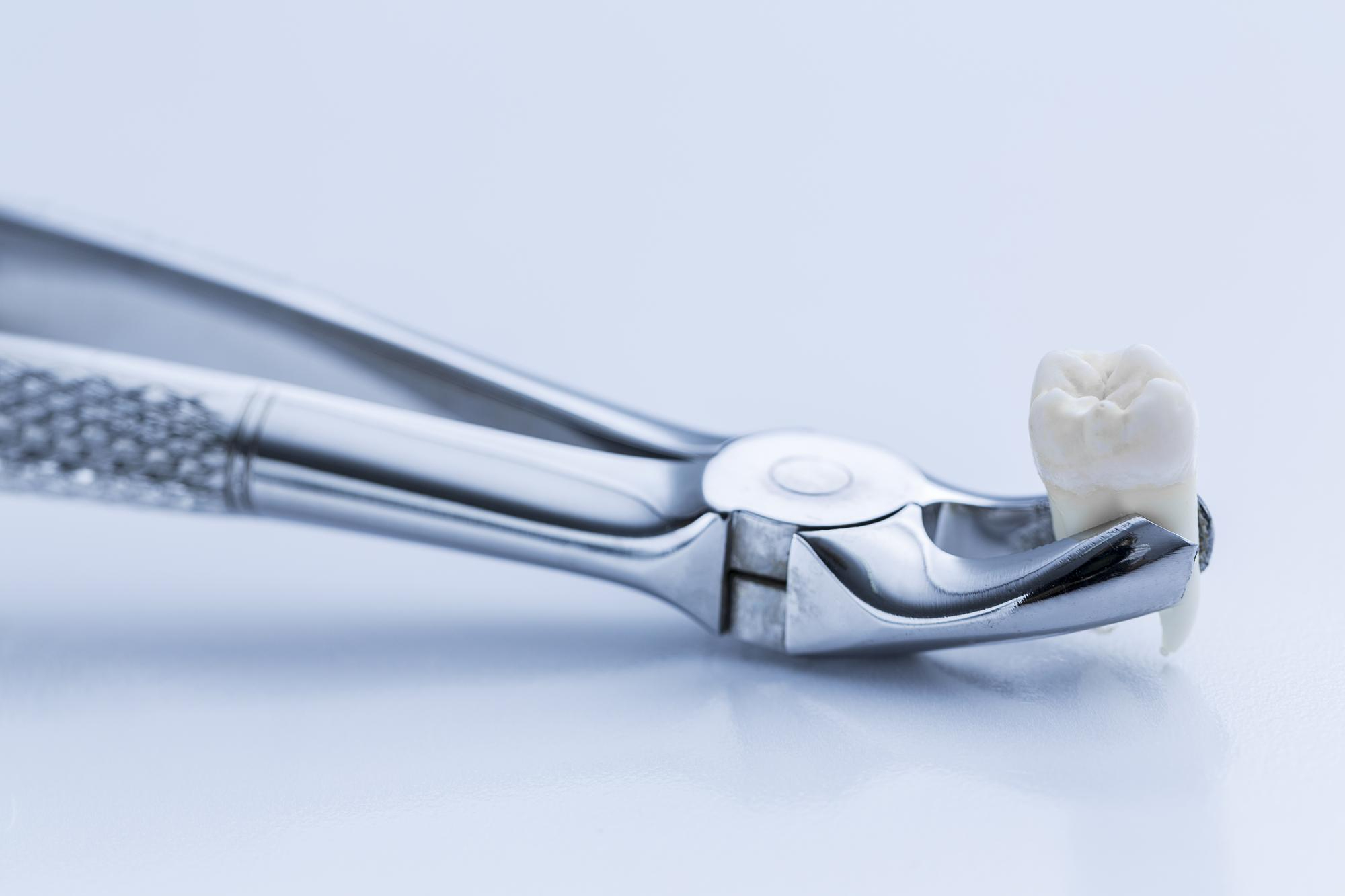
Whenever possible, we aim to preserve natural teeth. However, in some situations, removing a tooth may be the best way to relieve discomfort and protect overall oral health.
When extraction is recommended, our approach is focused on making the experience clear, controlled, and well-managed from start to finish.
A tooth may need to be removed if it is:
- Severely damaged or decayed beyond repair
- Loose due to gum disease
- Causing crowding or alignment issues
- Associated with pain or complications
We always evaluate all options before recommending removal.
Every extraction begins with a detailed assessment.
Using digital X-rays or CBCT imaging, we evaluate the condition of the tooth and surrounding structures to plan the procedure with accuracy and safety.
This allows us to approach treatment in a structured and predictable way.
The procedure is performed under local anesthesia to ensure you remain comfortable.
For straightforward cases, the tooth is carefully loosened and removed in a controlled manner. If the tooth is more complex, a surgical approach may be required to access it more effectively.
In some situations, the tooth may be removed in sections to reduce pressure on surrounding bone and tissues.
Once the tooth is removed, the area is cleaned, and if needed, small stitches may be placed to support healing. These are usually simple and may dissolve on their own.
Throughout the procedure, we use controlled techniques and clear step-by-step execution so that the process is as smooth and manageable as possible.
We understand that wisdom tooth removal can feel stressful for many patients. To help you feel more relaxed, we offer:
- nitrous oxide (laughing gas)
- oral sedation
These options help you remain comfortable and at ease throughout treatment.
After the procedure, we provide clear instructions to support healing. Some mild discomfort or swelling is normal for a short period and can usually be managed with simple measures.
Most patients recover within a few days, with steady improvement.We remain available to support you during your recovery if needed.
When a tooth is removed, it is often important to consider replacement options.
We will guide you through solutions such as implants, bridges, or dentures, helping you restore function and maintain long-term oral health.
Our goal is to ensure that you feel informed, supported, and confident throughout the process.
Every step is explained clearly so you can move forward with reassurance.
If you have been advised to remove a tooth or are experiencing discomfort, we are here to help.
Schedule your consultation today
Get your Dental Exam & Cleaning done today!

Frequenty Asked
Question
From reservations to dietary preferences, here’s all the information you need before dining with us

The area is fully numbed before the procedure, so you should not feel pain during the extraction.Some pressure is normal, and mild soreness afterward is expected.
Initial healing usually takes several days, while the bone and gums continue healing graduallyover time.
Soft foods are recommended for the first few days, while very hot, crunchy, or hard foods shouldbe avoided initially.
In many cases, replacing a missing tooth is recommended to maintain chewing function and helpprevent shifting of surrounding teeth.
Most extractions heal without problems. Following aftercare instructions helps reduce risks suchas infection, swelling, or dry socket.
We Provide a Wide
Range of Dental Services
Discover expert tips and dental care guides to keep your smile healthy. We're here to help you care for your teeth and gums, one post at a time.

.svg)

.svg)
(480) 555-0103
Mon - Sat , 10 am - 6 pm PST
Info@oakandpearldental.ca


-p-130x130q80.png)