
.svg)

Tooth decay and minor damage can affect both the health and appearance of your teeth.
Tooth-colored fillings offer a simple and effective way to restore affected teeth while maintaining a natural look.
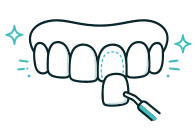
Tooth-colored fillings (composite fillings) are made from a durable material that bonds directly to the tooth.
They are designed to match the natural shade of your teeth, making the restoration blend in seamlessly.
Fillings are commonly used to treat:
- Cavities caused by tooth decay
- Small fractures or chipped teeth
- Small fractures or chipped teeth
- Replacement of old or worn filling
Treating these issues early helps preserve more of the natural tooth structure.
Our focus is on removing only the affected portion of the tooth while preserving as much healthy structure as possible.
Because composite material bonds to the tooth, it allows for a more conservative preparation compared to traditional materials.
The procedure is straightforward and usually completed in a single visit.
After numbing the area, the decayed or damaged portion of the tooth is carefully removed. The tooth is then cleaned and prepared for the filling.
The composite material is placed in layers, shaped to match your natural tooth, and hardened using a special light.
Final adjustments are made to ensure a proper bite and smooth finish.
Tooth-colored fillings are designed to restore both function and appearance.
They allow you to chew comfortably while maintaining the natural look of your smile.
With good oral hygiene and regular dental visits, fillings can last for many years.
Over time, they may require maintenance or replacement depending on wear and function.
Addressing small concerns early often helps prevent the need for more extensive treatment later.
If you think you may have a cavity or have noticed sensitivity or discomfort, we’re here to help.
Schedule your visit today
Get your Dental Exam & Cleaning done today!

Frequenty Asked
Question
From reservations to dietary preferences, here’s all the information you need before dining with us

The area is numbed before treatment, so you should not feel pain. You may feel slight pressure, but the procedure is generally well tolerated.
With proper care, they can last many years. Their longevity depends on factors like oral hygiene, bite forces, and the size of the filling.
No, the material is matched to your natural tooth color, making it blend in seamlessly.
Yes, but it’s best to wait until the numbness wears off to avoid accidentally biting your cheek or tongue.
Small cavities can progress and require more extensive treatment, such as crowns or root canals. Early treatment is simpler and more conservative.
We Provide a Wide
Range of Dental Services
Discover expert tips and dental care guides to keep your smile healthy. We're here to help you care for your teeth and gums, one post at a time.
.svg)
.svg)
.svg)

(480) 555-0103
Mon - Sat , 10 am - 6 pm PST
Info@oakandpearldental.ca


-p-130x130q80.png)